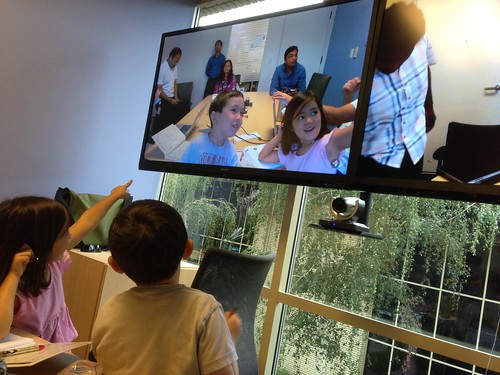
“Today’s children are ‘growing up digital,’” (Metiri Group, 2003, p.6), and educators right along side them. The rate at which access to technology is growing is unprecedented, as stated by the Metiri Group (2003) which has the potential to alter the way we teach and what we teach. Educators are facing a challenge of knowing what tools are available and how they may apply them to curricular learning activities. Student engagement, civic responsibility, and technology's impact on global issues unfolds an amazing opportunity to incorporate unique experiences that technology may provide. Connecting citizens across the globe on issues that affect us all is a powerful learning source. One that has revolutionized classrooms in the speed and distance which children can connect to others. The collaborative and participatory nature of technology allows us to be able to ask questions, develop solutions and achieve common goals that weren't possible before.

Yet, the tool isn't what makes the lesson meaningful or engaging. Technology is the vehicle that allows us the opportunity to learn, connect and collaborate and calls for a “...transformation of schools and classrooms into places of effective teaching and deep learning,” (Dunleavy & Milton, 2010, p.6). The pedagogy and purpose for learning, along with excitement and authenticity are what make the learning engaging. “Effective technology integration for pedagogy around specific subject matter requires developing sensitivity to the dynamic, transactional relationship between these components of knowledge situated in unique contexts,” (Koehler, 2006). Establishing the learning goal and method of delivery, along with rich opportunities for global connections are key to enhancing civic responsibility in students and increasing positive participation.